
There are many factors to consider during the spraying process. However, some common misconceptions often lead to improper operation methods, resulting in various coating defects. These problems not only increase the scrap rate but also waste raw materials.
Based on BLUESEA's many years of experience in paint production, we have compiled a list of the most common spraying problems, analyzed their root causes, and provided practical solutions for different spraying methods.
Blushing
-The paint film develops milky white haze on the surface while drying.
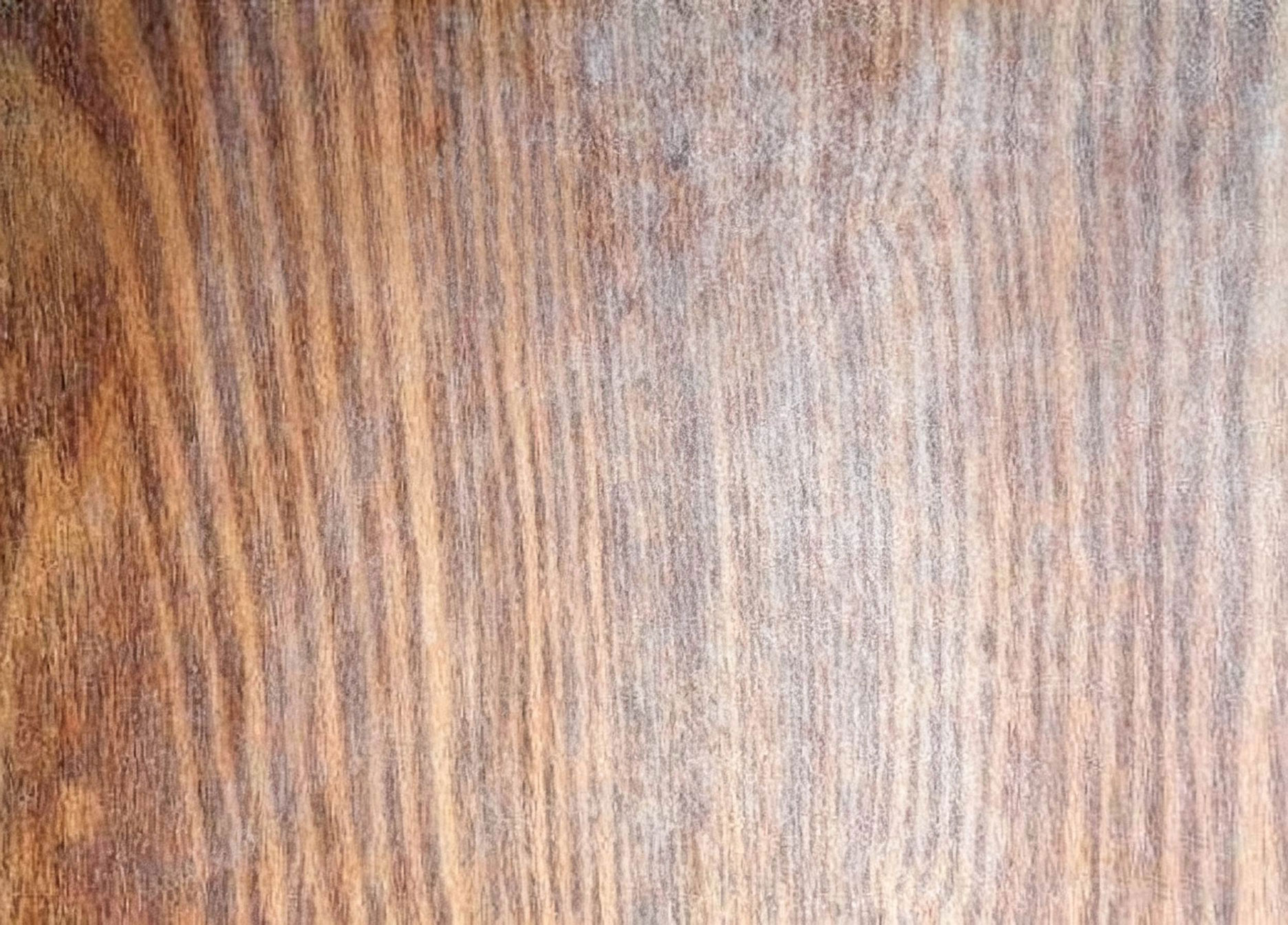
Cause:
- Relative humidity is too high
- Thinner evaporates too quickly or contains moisture
- Coating surface is contaminated by moisture
- Compressed air from the air compressor contains moisture
Preventive Measures:
►Enhance dehumidification in the painting area.
► Improve temperature control in the painting line's drying oven.
►Filter compressed air and drain accumulated water promptly.
► Select a thinner suitable for the current season.
► When relative humidity is high, add an appropriate amount of anti-blushing agent and avoid applying thick coats.
►Store paints and containers away from damp areas to prevent contamination.
Bubbles & Pinholes
-Tiny pinholes appeared in the paint film during the drying process.
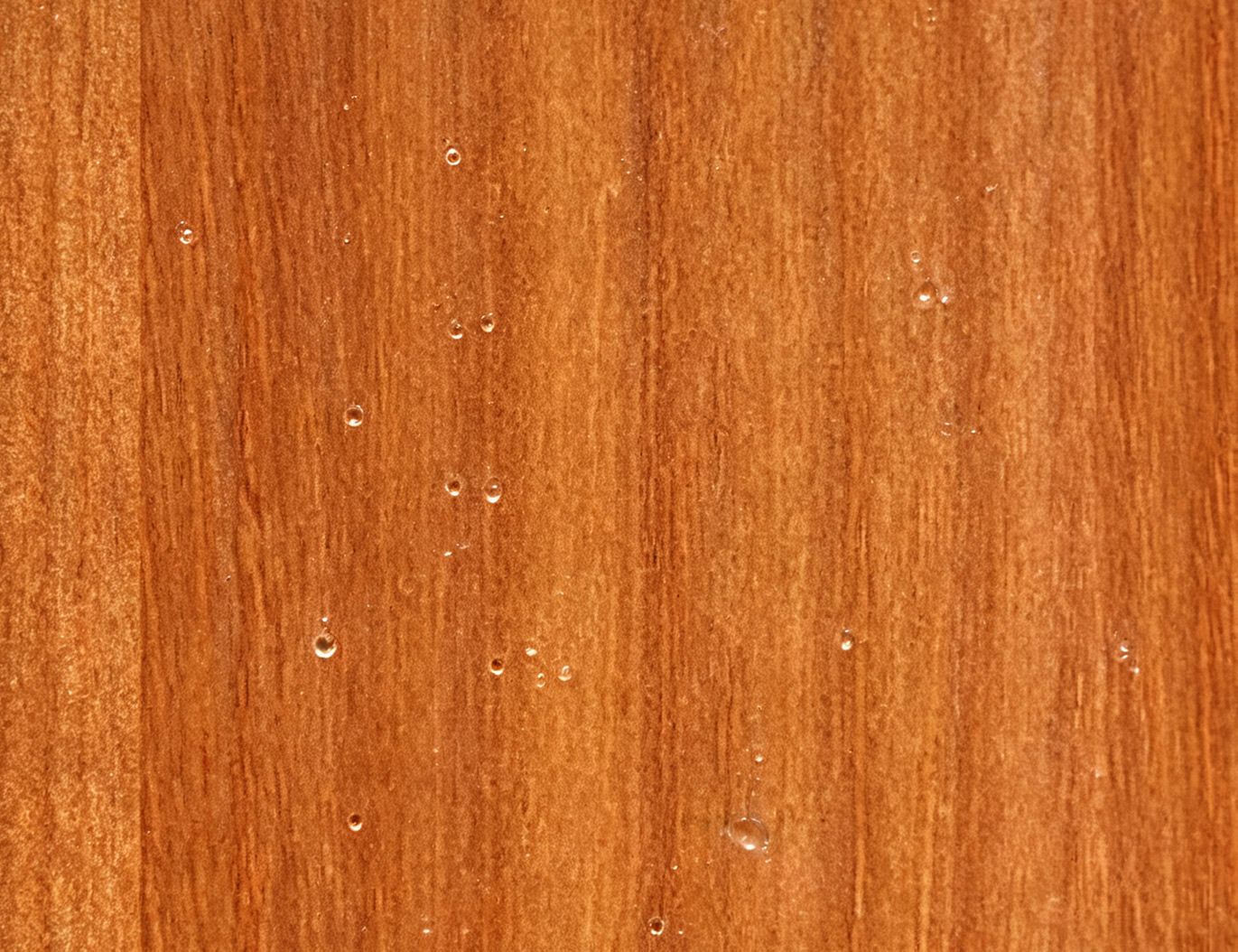
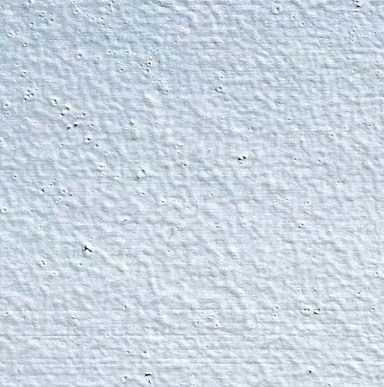
Cause:
- Paint viscosity is too high/thick, or the coating was applied too thickly in a single pass.
- The previous coat did not dry thoroughly, while the subsequent coat dried too quickly.
- Ambient temperature or humidity is too high.
- Thinner evaporates too rapidly.
- Poor sealing of the base layer.
- Compressed air from the air compressor contains moisture.
Preventive Measures:
►Products requiring recoating must be thoroughly sanded.
►Verify the correct types and mixing ratios of thinners and hardeners.
►Ensure solvents have fully evaporated before high-temperature drying.
►Before high-temperature drying, ensure that the solvent has sufficient time to evaporate.
►Filter the compressed air and drain accumulated water promptly.
 This guide addresses common wood coating problems. It helps avoid costs associated with unnecessary material waste or production line adjustments while promoting efficient material usage and preventing potential issues. If the suggested solutions do not resolve your coating quality or process issues, please contact your coating supplier.
 If you are struggling with inconsistent coating results, BLUESEA’s wood coatings can effectively mitigate application problems often encountered in humid climates. Please contact us for technical guidance and paint samples.