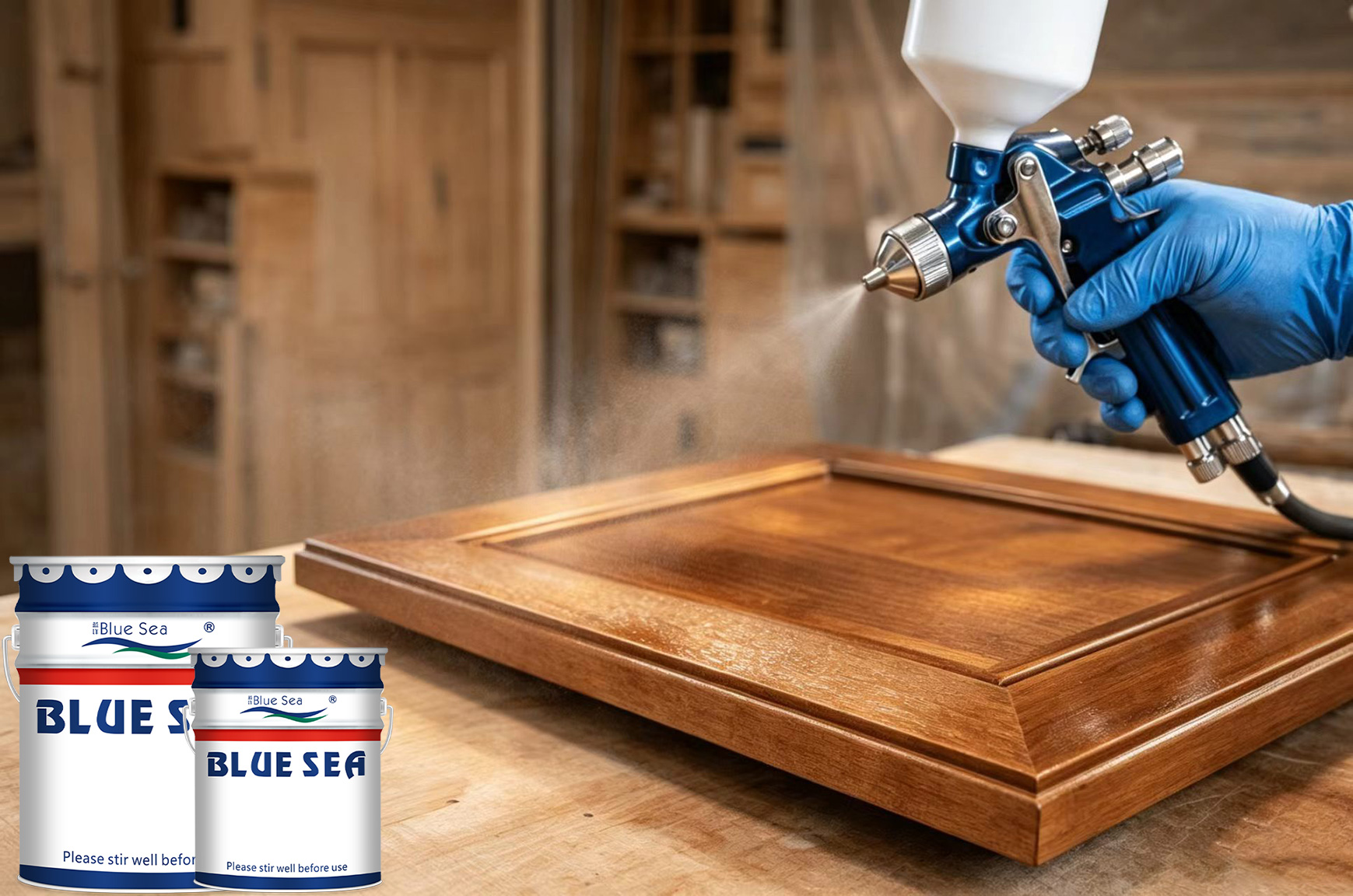
How to Fix Sanding Marks, Sagging, Sticky Finish and Uneven Gloss In Wood Finish?
Unlike obvious craters or orange peel, these four hidden defects are easy to ignore during production but seriously downgrade final quality: sanding traces, paint sagging, residual stickiness, and inconsistent gloss.
We summarize the core reasons and professional prevention tips for stable daily production.
Sanding Marks
-Fine sanding scratches show through the clear topcoat, making the wood surface lack fineness and transparency.
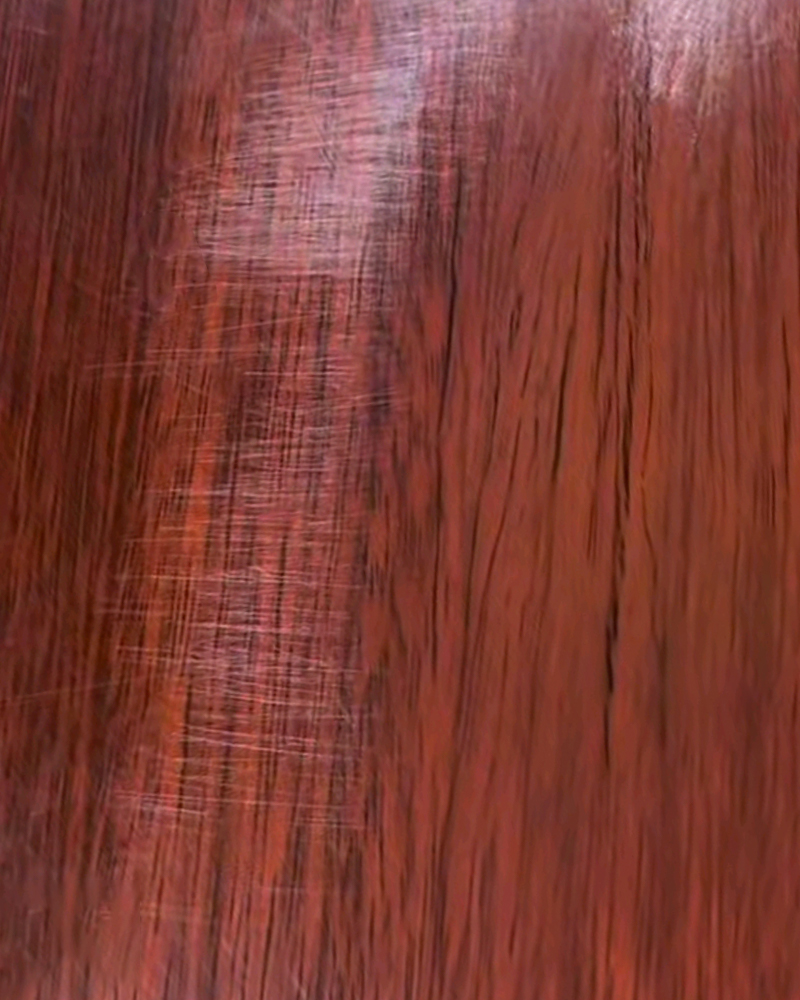
Cause:
- Using too coarse sandpaper during polishing.
- Sanding cross-grain instead of following wood texture.
- Polishing before the primer is fully dry.
- Low filling power of the base primer.
Preventive Measures:
► Always sand along the wood grain and gradually use finer sandpaper.
► Add hardener strictly according to the formula; Make sure each primer layer is completely cured before sanding.
► make sure the coating is completely dry before packing.
► When sanding the coating, different grades of sandpaper should be used for different processes.
Sagging
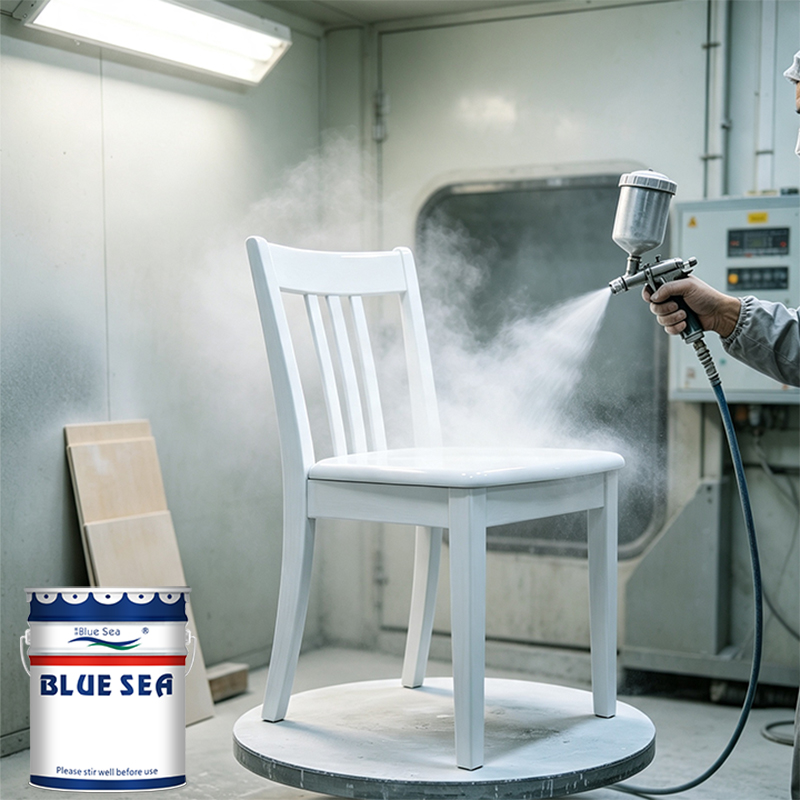
-Sagging appears when the coating sags downward, forming wave-like streaks. The main reason is spraying an overly thick layer, using a mixture that is too thin, or applying with incorrect spraying distance. The outcome is an unattractive and uneven finish, which is often difficult to repair without sanding and recoating
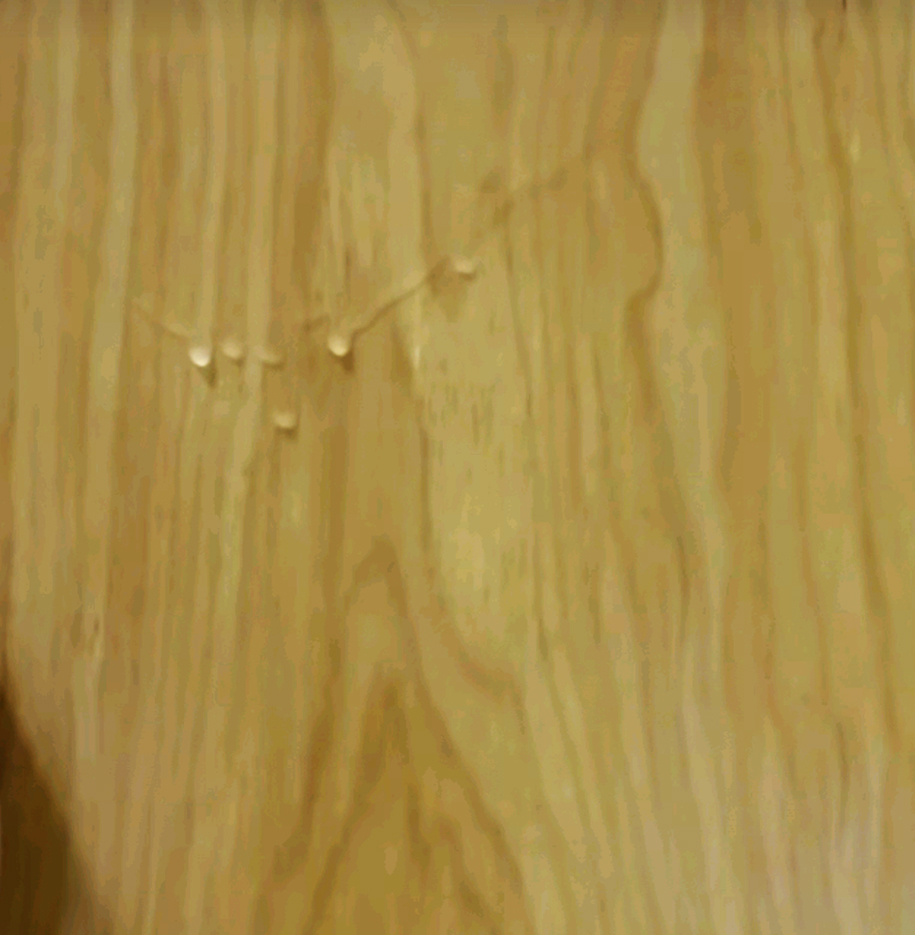
Cause:
- Over-spraying thick wet film in one pass.
- Too low paint viscosity.
- Unstable air pressure and improper gun distance.
- Low temperature and slow drying speed.
Preventive Measures:
► Spray multiple thin coats instead of one thick coat.
► Adjust paint viscosity according to climate.
► Keep stable spray gun distance and air pressure.
► Use fast-leveling wood coatings suitable for mass production.
Sticky Finish
-The paint film still feels sticky after drying, causing sticking, dirt adhesion and packaging problems.
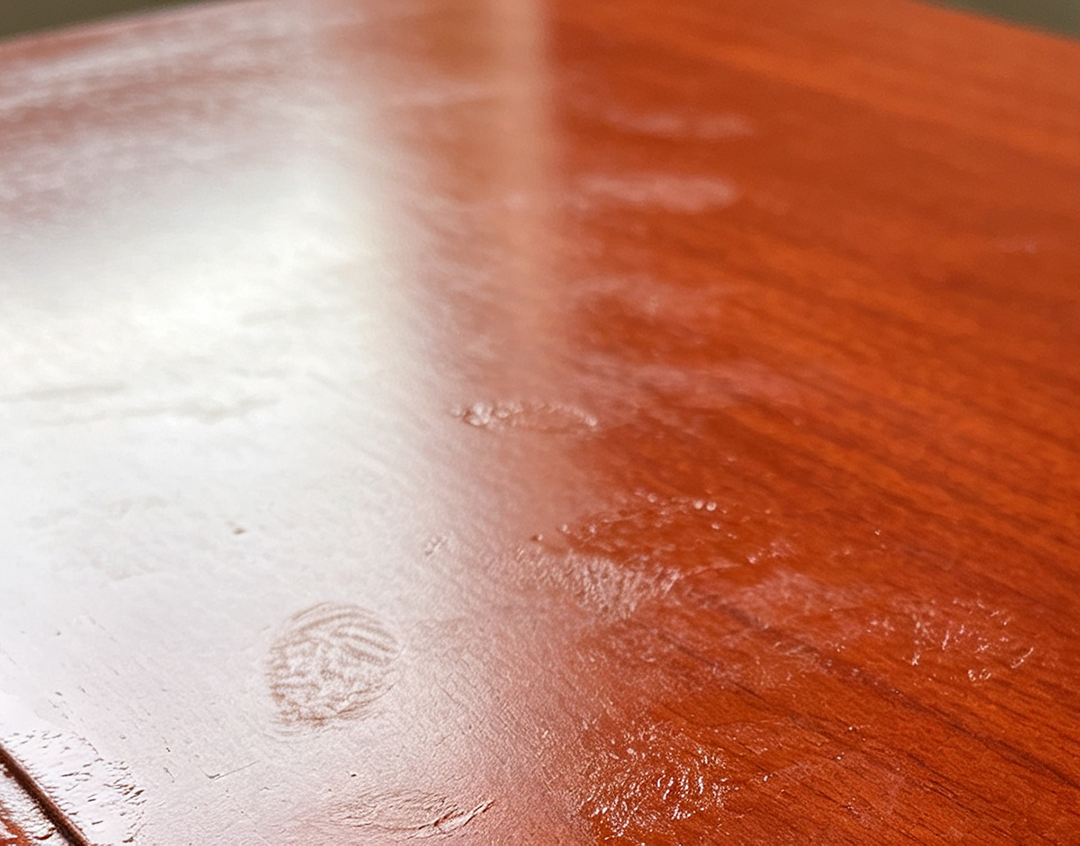
Cause:
- Incorrect ratio of paint and hardener.
- Excessive slow-drying thinner.
- High air humidity during construction.
- When applying multiple coats, the next layer is applied before the base layer has dried sufficiently.
Preventive Measures:
► Spray multiple thin coats instead of one thick coat.
► Insufficient hardener ratio.
► Too much slow-dry thinner or anti-blush agent.
► High air humidity during construction.
► Incomplete interlayer drying.
► Do not mix paints of different types.
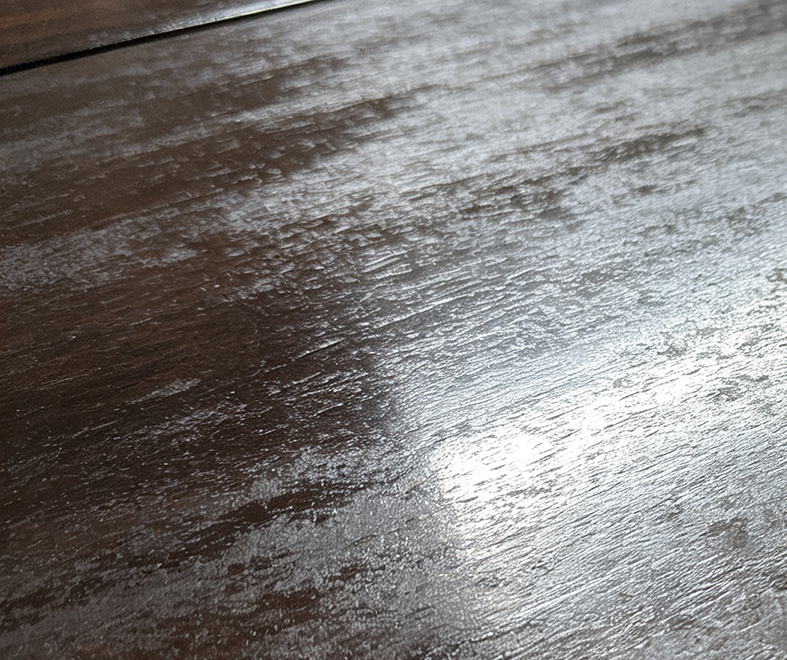
Uneven Gloss
-Finished wood surfaces present patchy gloss, with some areas bright and some dull, affecting the overall high-grade effect of glossy furniture and musical instruments.
Cause:
- Incorrect ratio of paint and hardener.
- Excessive slow-drying thinner.
- High air humidity during construction.
- When applying multiple coats, the next layer is applied before the base layer has dried sufficiently.
Preventive Measures:
► Spray multiple thin coats instead of one thick coat.
► Insufficient hardener ratio.
► Too much slow-dry thinner or anti-blush agent.
► High air humidity during construction.
► Incomplete interlayer drying.
► Do not mix paints of different types.
Summary Wood Coating Problems:
Understanding common wood finishing errors and knowing how to address them will help youachieve the best results for your projects. Most issues arise from the preparation stage. Always ensurethorough preparation before painting, including cleaning and sanding the wood surface, choosing theright paint and tools. This will help you avoid common mistakes and ensure your final product has aflawless and durable finish over time.
 This guide addresses common wood coating problems. It helps avoid costs associated with unnecessary material waste or production line adjustments while promoting efficient material usage and preventing potential issues. If the suggested solutions do not resolve your coating quality or process issues, please contact your coating supplier.
 If you require a stable wood coating solution and technical guidance for your production line, please contact us to request free samples and wholesale quotes!